
Companies reach university students in Portugal by combining academic fairs, employer digital branding and a page on Great Employers.
Young talent has never been so competitive. In the fields of technology, engineering, and management, companies compete for the same 50 finalists every year, and most continue to treat this competition as if it were 2015: a stand, a banner, and a stack of flyers.
Today's university students are no longer just looking for their first job. They are looking for a culture aligned with their values, and salary is no longer the sole deciding factor; flexibility and mental health have gained importance that they didn't have five years ago.
Where can I find university students in Portugal?
University students tend to congregate in three main areas: job fairs, course associations, student organizations, and junior enterprises.
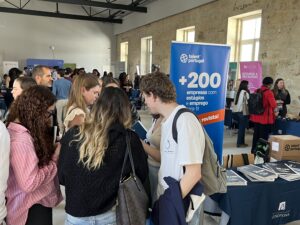
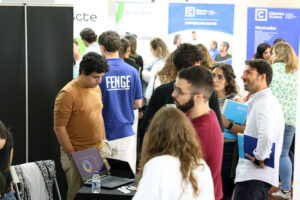
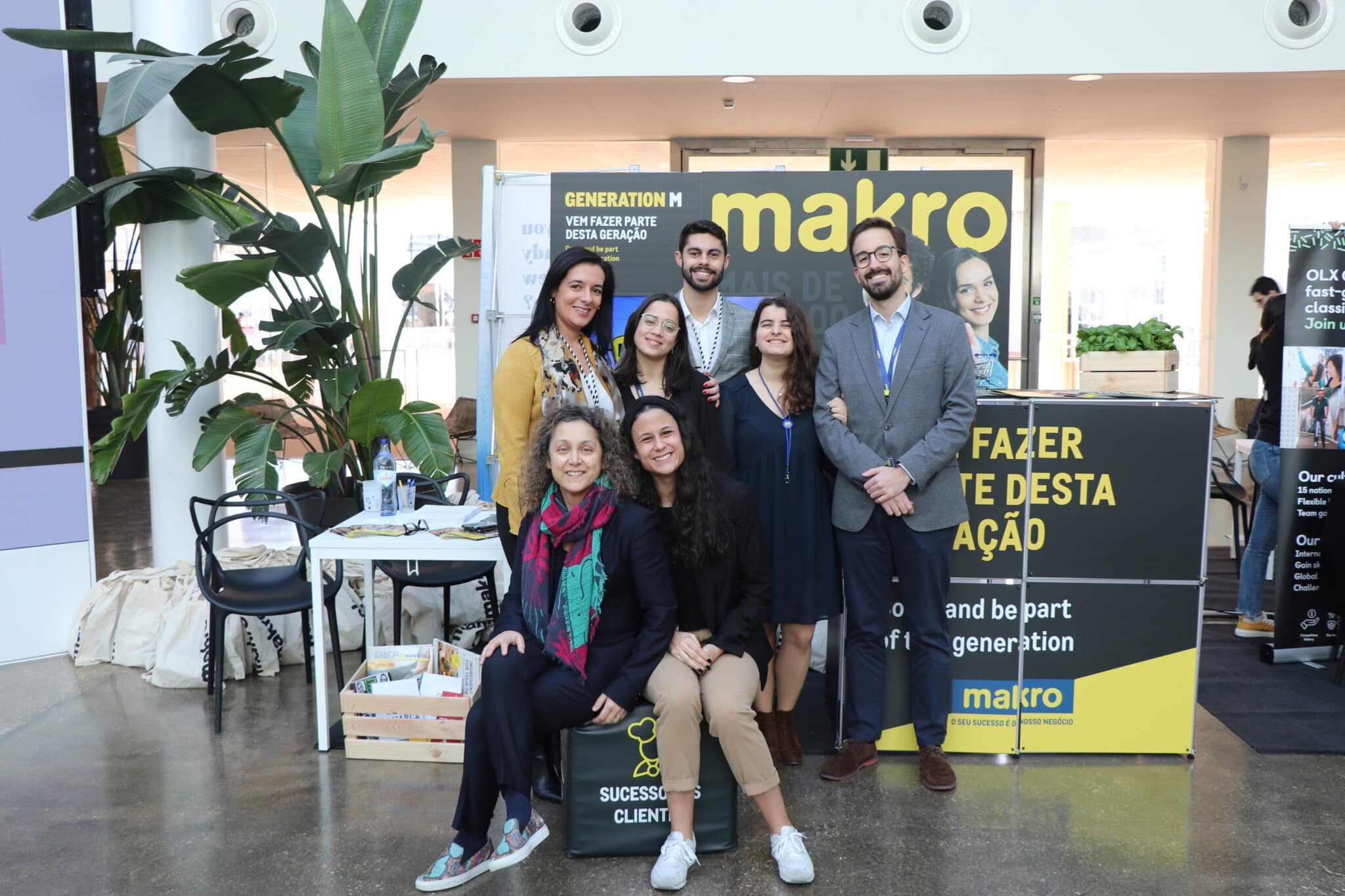
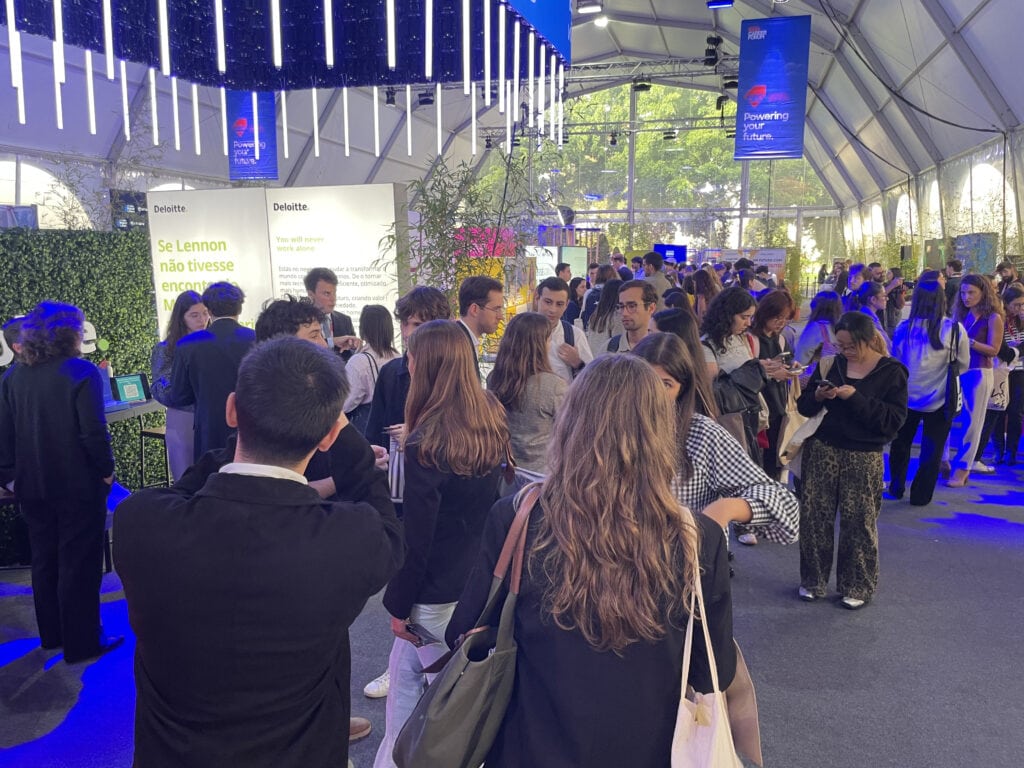
At these fairs , the most common mistake is treating the booth as a flyer distribution point. It works much better as a brand activation space , with interactive activities, small games, and informal conversations that students remember the next day.
Course groups and student associations are the most direct and trusted link with students – supporting their thematic weeks or academic events generates much more closeness than any paid advertisement.
And junior companies deserve extra attention: these students already work with a business mindset and proactivity , which makes them natural candidates for trainee programs.
Why is it that traditional corporate discourse is no longer convincing?
The problem is the gap between institutional discourse and the language students use. A generic corporate video on Instagram or TikTok is recognized as advertising within three seconds and ignored.
What works is showing the day-to-day : behind-the-scenes office work, unscripted testimonials from interns, and brand ambassadors on campus. A student representing the company among peers generates far more effective word-of-mouth than any paid campaign, precisely because the source is someone they already trust.
And there's a second, more practical obstacle: if the application process requires attaching a CV and filling out 50 repetitive fields on a form that's not very intuitive on a mobile phone, a significant portion of these candidates give up before submitting.
The process needs to be digital, fast, and designed for people who live on their mobile phones.
Which entry programs are most attractive to university students?
Summer internships and structured trainee programs are the two entry points that convert the most, because they test the culture before a final commitment and show a clear path of progression from day one.
👉 Summer Internship Researcher
A summer internship is a two-way experience: the company tests talent on a short basis, and the student sees if they like the culture before finishing their degree.
Novobanco , for example, has once again invested in summer internships in 2026 precisely to attract university talent before they enter the job market.
Structured trainee programs require a clear plan for integration, mentorship, and career progression; without it, the student cannot justify their choice to colleagues or parents.
What does Generation Z really expect from an employer in Portugal?
Three factors consistently determine whether a student progresses or drops out of a process: flexibility, purpose, and mentorship, in that order of importance in the decision.
Flexibility is no longer a benefit but an expectation: hybrid or remote work models are now part of what is expected of any leading employer.
The commitment to sustainability projects and visible social impact are key factors in choosing between two similar companies.
And mentorship replaces traditional leadership; this generation wants to learn quickly, with a leader-mentor, not just follow instructions.
The employer page on Great Employers It was designed precisely to communicate these three factors together, and the Business Researcher allows students filter directly by working model e benefits – which means that only those who communicate well get ahead.
Your company doesn't have to do all of this alone.
Companies that best reach university students in Portugal don't choose between job fairs, social media, and employer pages; they combine all three, using a bridge that already exists between them.
The Fair of Job Fairs , which brings together universities, student associations, and recruiters, is the moment when this connection becomes visible: instead of negotiating presence at dozens of isolated academic fairs, your company plans the entire academic year in a single visit.
Additionally, the page For employers It brings together all the products that support this strategy, from Business Researcher to trainee programs.
Do you want your company to be the next brand to reach the right universities directly?